

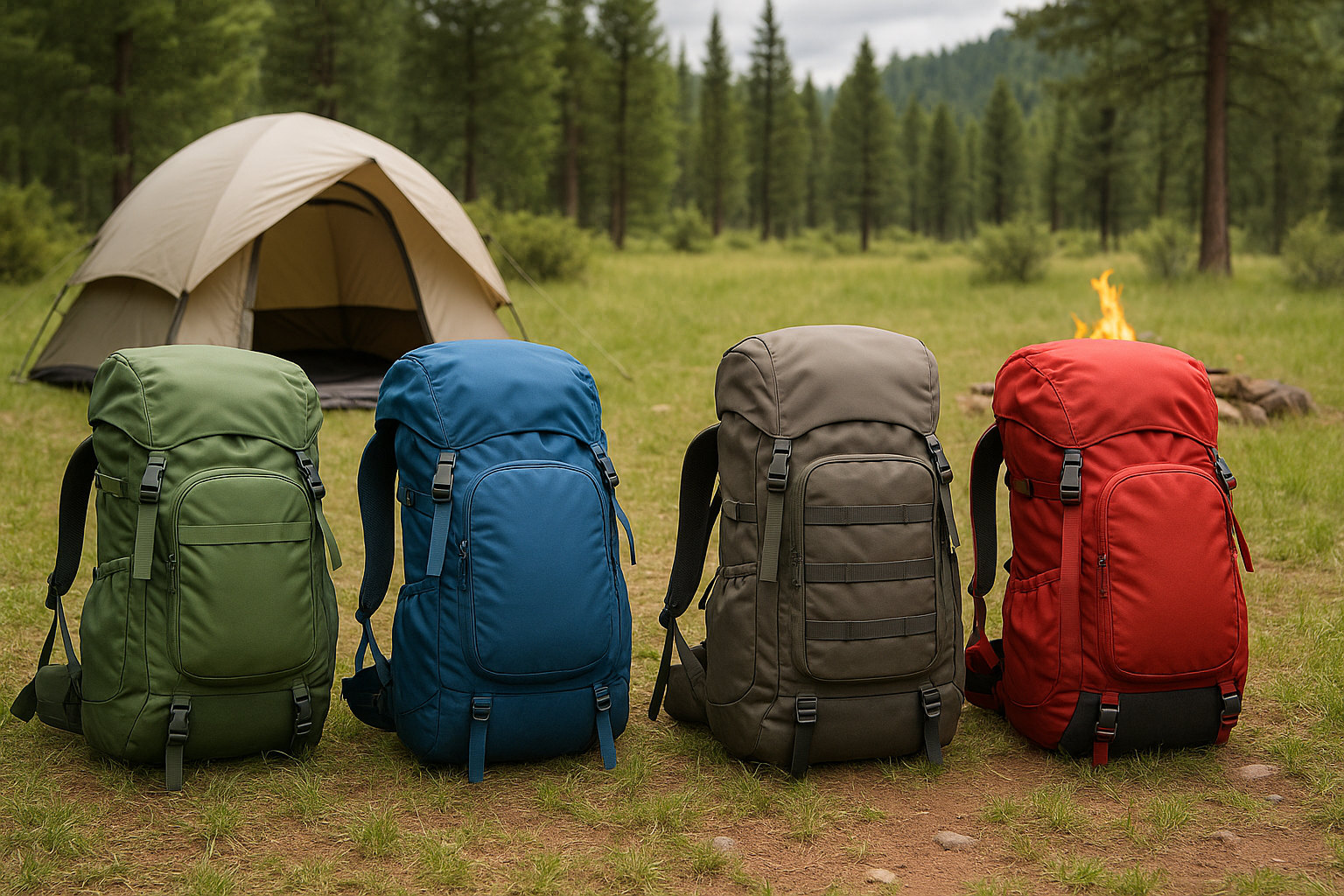
A good multi-day hiking backpack is not just the biggest pack on the shelf. It should match your torso and hip measurements, hold the gear your trip actually requires, and carry that load without forcing all the weight onto your shoulders.
This refresh uses manufacturer specifications and official outdoor safety guidance instead of affiliate links or unsupported test claims. The legacy URL stays the same, but the article title and body should no longer imply that Trail Gear Review personally tested these packs.
Quick Picks: Which Multi-Day Backpack Fits Your Trip?
| Use case | Research-based pick | Why it fits that use case |
|---|---|---|
| Comfort-focused 3-7 day trips | Osprey Atmos AG 65 | Osprey lists a 65 L S/M size, 4.613 lb weight and 30-40 lb load range, with its AntiGravity suspension and included raincover. |
| Heavy-load traditional backpacking | Gregory Baltoro 65 | Gregory lists 65 L capacity, 4.70 lb weight and a 60 lb max carry weight, with U-zip access and a full-featured suspension. |
| Lighter framed backpacking | REI Co-op Flash 55 | REI lists size-specific 53-57 L capacity and a 2 lb 13 oz medium weight, making it lighter than many full-featured 65 L packs. |
| Customizable ultralight-style trips | Granite Gear Crown3 60 | Granite Gear lists 60 L capacity, 2.4 lb regular weight without lid and load ratings that vary by frame setup. |
| Lightweight trips with bulky food or bear canister needs | Gossamer Gear Mariposa 60 | Gossamer Gear lists 60 L total capacity, large exterior pocket volume and a 30 lb comfort / 35 lb max carry guideline. |
| Shorter-back or women-specific fit priority | Deuter Aircontact Core 65+10 SL | Deuter lists 65 L volume, 2360 g weight, 10-20 kg recommended load and an SL fit system for shorter backs. |
These are not affiliate rankings. Treat them as a starting shortlist, then load the pack with realistic trip weight before committing.
Comparison Table: Capacity, Weight and Load Support
| Pack | Listed capacity | Listed weight | Load guidance | Best fit in this guide |
|---|---|---|---|---|
| Osprey Atmos AG 65 | 65 L S/M; 68 L L/XL | 4.613 lb S/M; 4.807 lb L/XL | 30-40 lb | Hikers who want ventilation and comfort features for moderate multi-day loads. |
| Gregory Baltoro 65 | 65 L | 4.70 lb | Max carry weight 60 lb | Backpackers carrying heavier food, water or colder-weather gear. |
| REI Co-op Flash 55 | 53-57 L by size | 2 lb 12 oz to 2 lb 14 oz | Not listed on the product page reviewed | Hikers with dialed gear who still want an internal frame and adjustable fit. |
| Granite Gear Crown3 60 | 60 L | 2.3-2.5 lb without lid | 35 lb with framesheet; 43 lb with optional aluminum stay | Hikers who want a lighter pack with modular load support. |
| Gossamer Gear Mariposa 60 | 60 L total | Medium with M straight belt: 34.2 oz | 30 lb comfort; 35 lb max | Lightweight backpackers who need volume more than high load capacity. |
| Deuter Aircontact Core 65+10 SL | 65 L | 2360 g | 10-20 kg | Hikers prioritizing supportive traditional construction and a shorter-back SL fit. |
How to Choose a Multi-Day Backpack
Start with fit, not brand. REI’s backpack fitting guidance emphasizes pack type, capacity and fit decisions for overnight and multi-day trips, and a pack that does not match your torso or hips can feel wrong even if the specs look ideal.
- How many nights are you carrying food, insulation and shelter?
- What is your realistic loaded pack weight, including water?
- Does the hipbelt transfer weight to your hips without slipping?
- Can the frame and harness support your load without exceeding the manufacturer’s guidance?
Capacity matters, but a larger pack is not automatically better. A 55 L pack can work when your sleep system and shelter are compact. A 60-65 L pack is more forgiving for colder weather, bulkier sleeping bags or beginner kits. For help thinking through the rest of your kit, see our weekend camping checklist and our guide to sleeping bag choice.
The National Park Service’s Ten Essentials are a useful reminder that backpack capacity should leave room for safety systems, not just camp comfort. Navigation, insulation, illumination, first aid, repair tools, nutrition, hydration and emergency shelter all affect how much space and carry weight you need.
Research-Based Pack Notes
Osprey Atmos AG 65
The Atmos AG 65 is the comfort-feature pick for hikers who expect a traditional framed pack rather than an ultralight setup. Osprey lists the S/M size at 65 L and 4.613 lb, with a 30-40 lb load range. It also includes an integrated raincover and uses recycled nylon fabrics with PFAS-free DWR.
Gregory Baltoro 65
The Baltoro 65 is the heavy-load option in this refresh. Gregory lists 65 L capacity, 4.70 lb weight and a 60 lb max carry weight. It is also one of the more feature-rich designs here, with top, U-zip and bottom access plus multiple external pockets.
REI Co-op Flash 55
The Flash 55 sits in the lighter framed category. REI lists capacity from 53 L to 57 L depending on size, with the medium at 2 lb 13 oz. It has an internal frame, adjustable torso length, hipbelt pockets and top access.
Granite Gear Crown3 60
The Crown3 60 is a modular 60 L pack for hikers who want lower weight without going fully frameless. Granite Gear lists the regular at 2.4 lb without lid, with a removable lid and a framesheet-based load rating of 35 lb. The optional aluminum stay raises the listed load rating to 43 lb.
Gossamer Gear Mariposa 60
The Mariposa 60 is the lightweight-volume pick. Gossamer Gear lists 60 L total capacity, with 36 L in the main body and 24 L across exterior pockets. The listed comfort guidance is 30 lb, with a 35 lb max carry capacity.
Deuter Aircontact Core 65+10 SL
The Aircontact Core 65+10 SL is the women-specific/shorter-back option in this shortlist. Deuter lists 2360 g weight, 65 L volume, 10-20 kg recommended load and a back length range of 35-56 cm. It also includes a rain cover and has a front U-shaped zipper for easier access.
What Changed in This Refresh
The existing article used a title that said “Durability Tested” and included Amazon shortlinks with an affiliate disclosure. This refresh removes affiliate links, removes tested-style claims, keeps the existing URL for stability, and replaces thin product blurbs with sourced specifications and clearer buying criteria.
Bottom Line
The best multi-day backpack is the one that fits your body and your real trip weight. Choose a 55 L pack when your kit is compact, a 60 L pack when you want more flexibility, and a 65 L pack when food, water, insulation or heavier gear need more structure.